Stephens’ Banded Snake (Hoplocephalus stephensii)
Identifying the Stephens’ Banded Snake
The Stephens’ Banded Snake is a rarely encountered species on the Sunshine Coast, and most snake catchers will go years without seeing one. This snake is considered potentially dangerously venomous, although encounters with humans are uncommon due to its secretive and nocturnal behaviour.
Stephens’ Banded Snakes are primarily arboreal, meaning they spend much of their time in trees. Because of this, they are often overlooked and may go completely unnoticed even when present in an area.
They are active at night, usually emerging after dark to hunt along branches or the forest floor.
About the Stephens’ Banded Snake
Stephens’ Banded Snakes are a medium-sized species, typically growing between 70 cm and 1.2 metres in length.
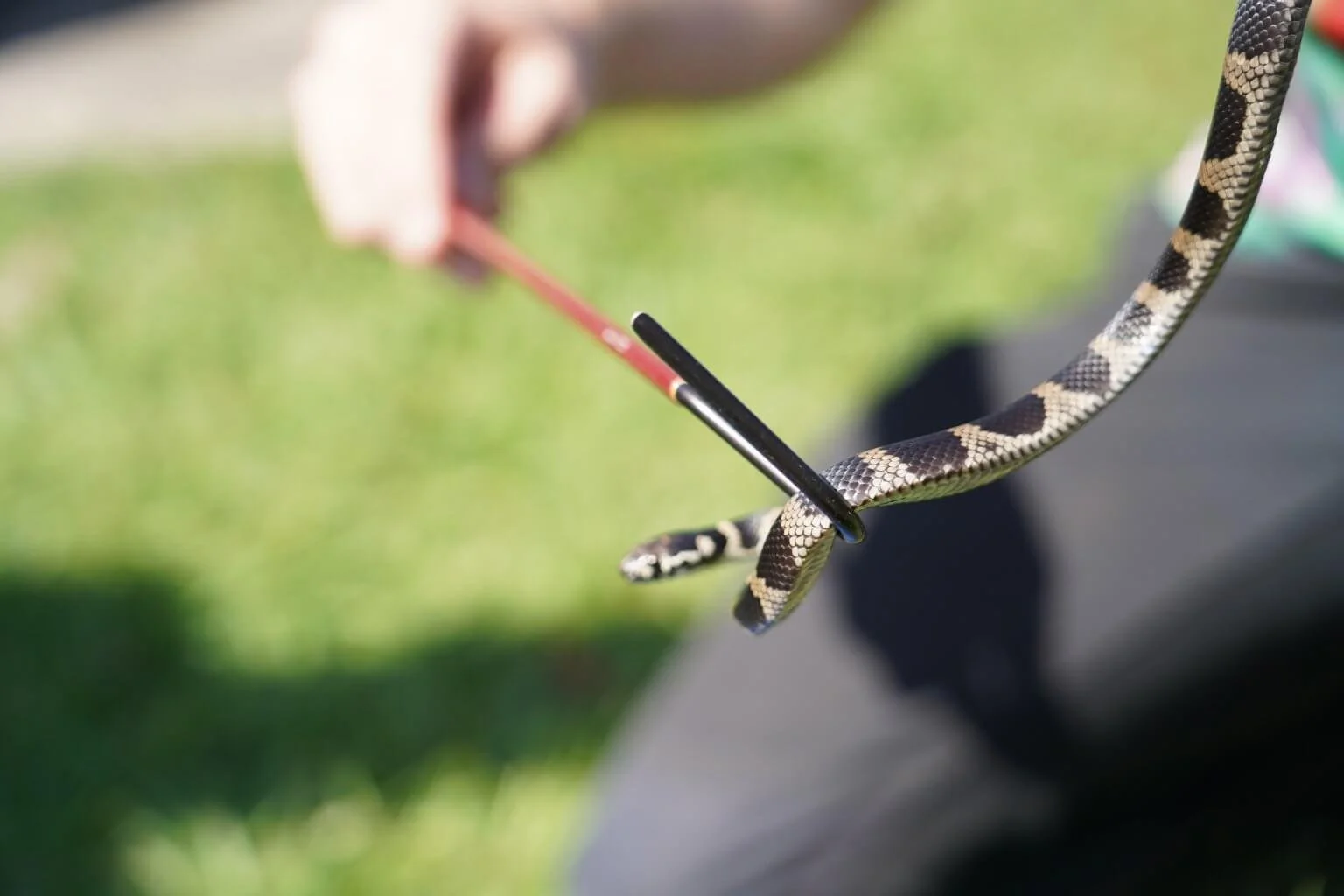
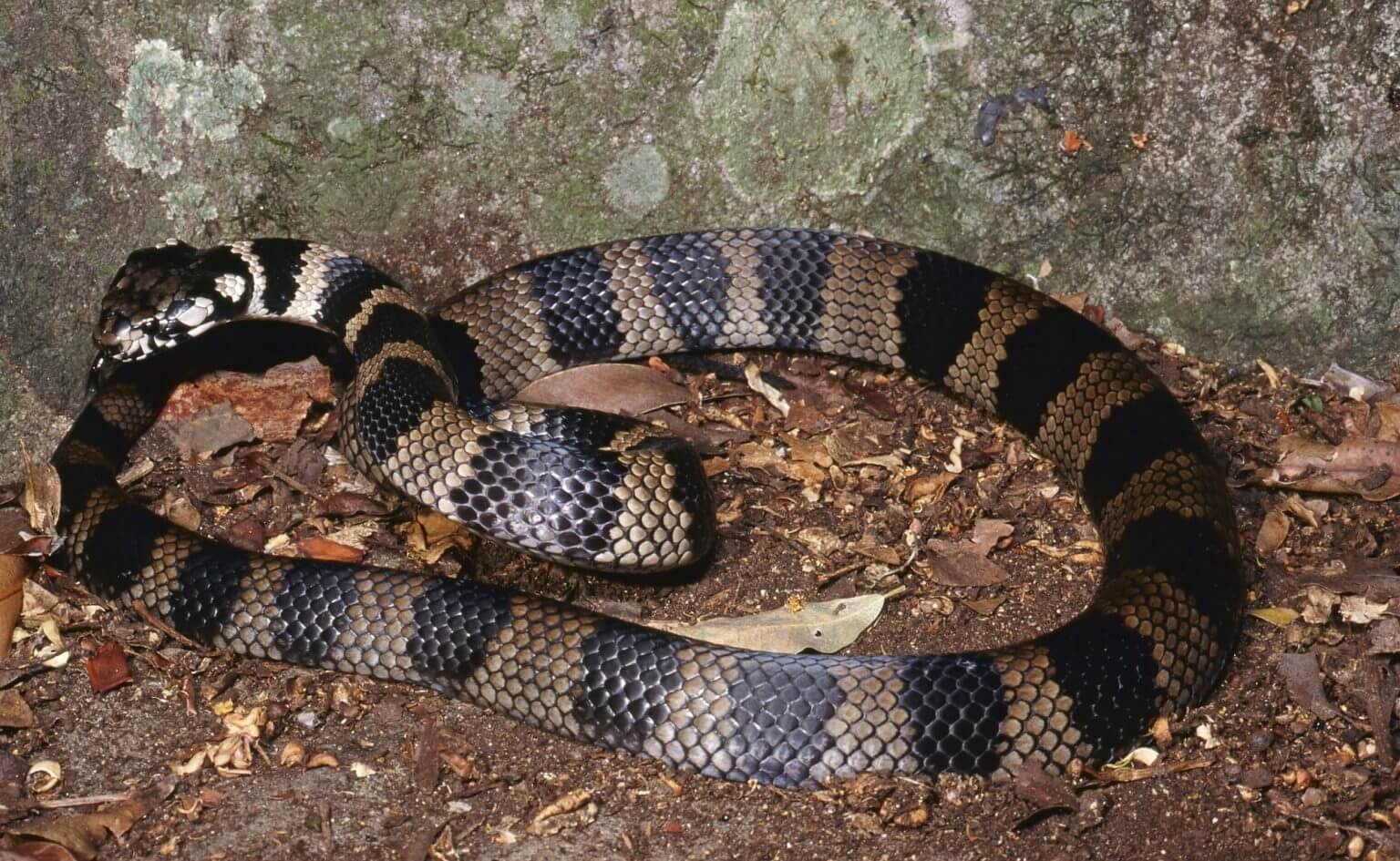
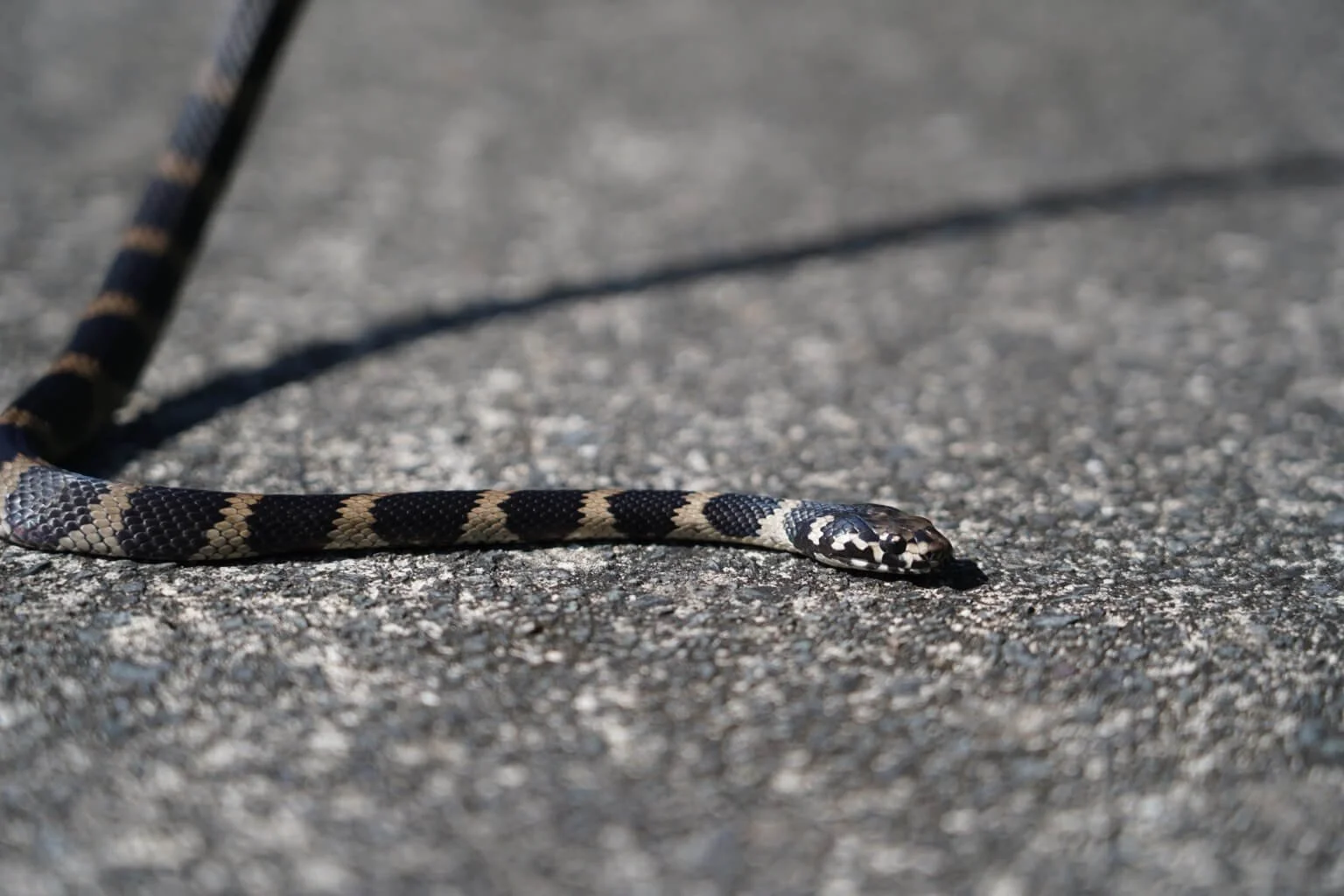
Their body colour is usually brown with broad, dark cross-bands, where the darker bands are often thicker than the lighter spaces between them. However, some individuals may appear almost unbanded, which can make identification more difficult.
The head is typically broad and distinctly darker than the body, usually black with a brown crown. A brown or creamy patch on the back of the neck is often visible, along with pale creamy bars or blotches along the sides of the head and lips.
These markings, along with the banded body pattern, help distinguish this species from other forest-dwelling snakes.
Habitat
Where can you find a Stephens’ Banded Snake?
Stephens’ Banded Snakes are most commonly found in rainforest and wet forest environments along the east coast of Australia.
Typical habitats include:
subtropical rainforest
wet sclerophyll forest
forest edges and gullies
densely vegetated bushland
They are particularly associated with areas containing large trees, as they often shelter inside tree hollows during the day.
They may also hide under:
fallen logs
thick leaf litter
dense ground vegetation
Because they spend so much time in trees and are active mostly at night, sightings of this species are relatively rare.
Venom
Is the Stephens’ Banded Snake dangerous?
Stephens’ Banded Snakes are considered potentially dangerously venomous.
Although bites from this species are extremely rare, their venom is capable of causing serious symptoms and any bite should be treated as a medical emergency.
Fortunately, this snake is not considered aggressive and will usually attempt to retreat if disturbed.
Diet
What does the Stephens’ Banded Snake eat?
Stephens’ Banded Snakes feed primarily on small reptiles and mammals.
Their diet may include:
small lizards
geckos
small mammals
other small vertebrates
Because they are arboreal, they may hunt both in trees and along the forest floor, particularly at night when they are most active.
Behaviour
What should you know about this species?
Stephens’ Banded Snakes are nocturnal and secretive, which is one of the reasons they are so rarely encountered.
During the day they usually remain hidden inside tree hollows or dense vegetation, emerging after dark to hunt.
Their arboreal nature means they are excellent climbers, capable of moving easily through branches and elevated vegetation.
Because of their quiet and secretive lifestyle, they rarely interact with humans.
What to do if you see a Stephens’ Banded Snake
If you encounter a Stephens’ Banded Snake, the safest option is to keep a safe distance and avoid disturbing the animal.
Do not attempt to approach, capture, or handle the snake. Ensure pets and children remain well away.
If the snake is located near a home or building, contact a licensed snake catcher who can safely identify and relocate the animal if necessary.
Remember that snakes should only ever be handled or relocated by people with the appropriate permits and experience.
Are Stephens’ banded snakes venomous?
Yes. Stephens’ Banded Snakes are considered venomous and potentially dangerous, although bites are extremely rare.
How big do Stephens’ banded snakes get?
Most individuals grow between 70 cm and 1.2 metres in length.
Are Stephens’ banded snakes aggressive?
No. They are generally shy and secretive snakes that will usually attempt to escape when disturbed.
Where do Stephens’ banded snakes live?
They are typically found in rainforest and forest environments along the east coast of Australia, often sheltering in tree hollows during the day.
Are Stephens’ banded snakes common on the Sunshine Coast?
No. They are considered rarely encountered in the region and are seldom seen by snake catchers.