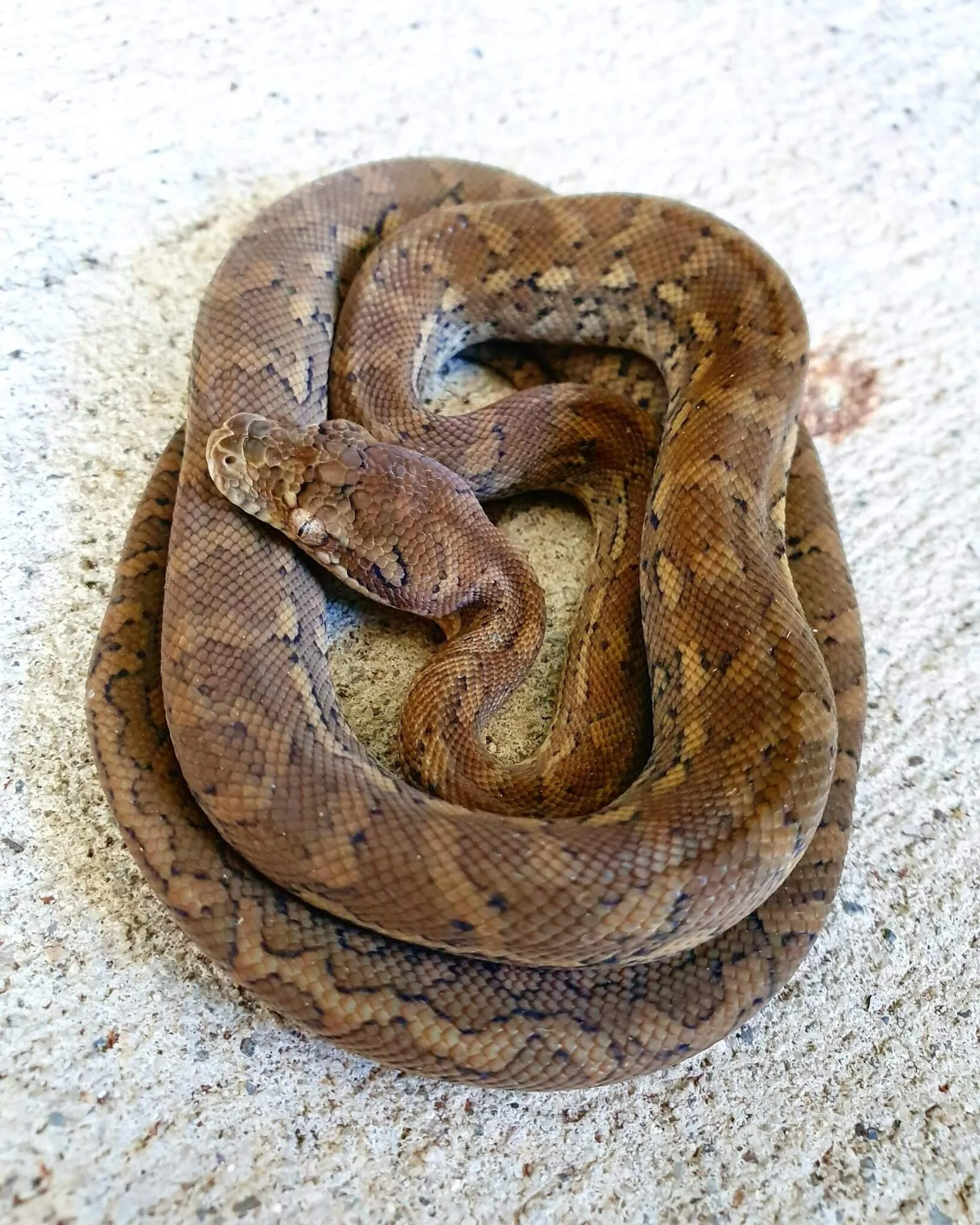
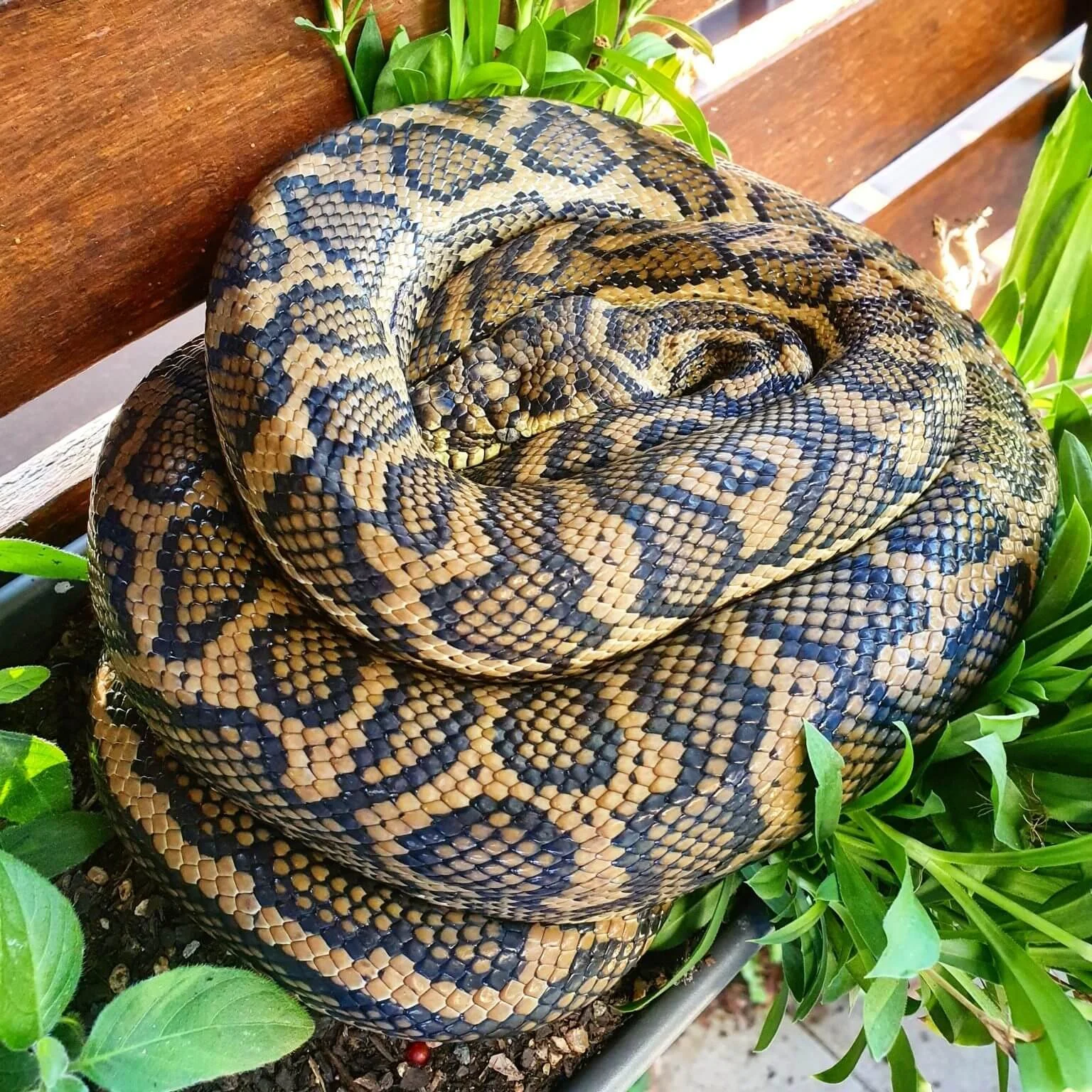
Coastal carpet python (Morelia spilota mcdowelli)
Coastal Carpet Python
Identifying the Coastal Carpet Python
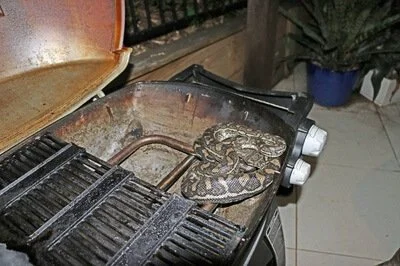
The Coastal Carpet Python is, without a doubt, one of the most common snakes encountered on call-outs across the Sunshine Coast. Non-venomous, heavy-bodied, and highly adaptable, this species is regularly found in suburban backyards, roof spaces, sheds, gardens, and around animal enclosures.
These pythons typically grow to around 2 metres in length, although larger specimens can reach close to 4 metres. They are powerful snakes, excellent climbers, and are active both during the day and at night.
About the Coastal Carpet Python
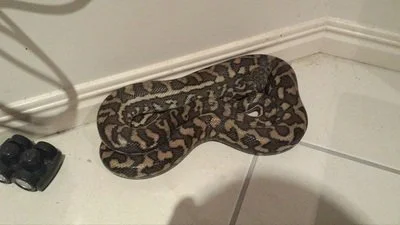
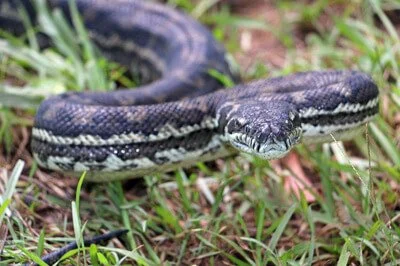
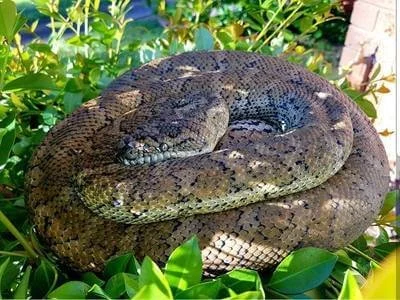
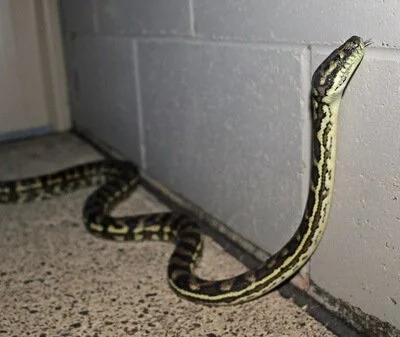
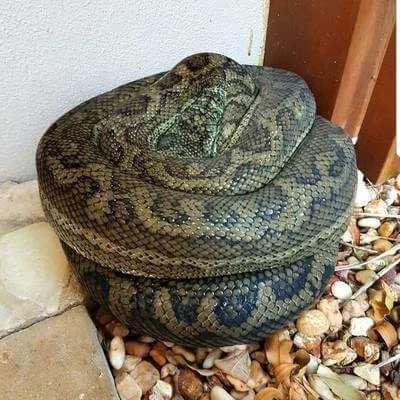
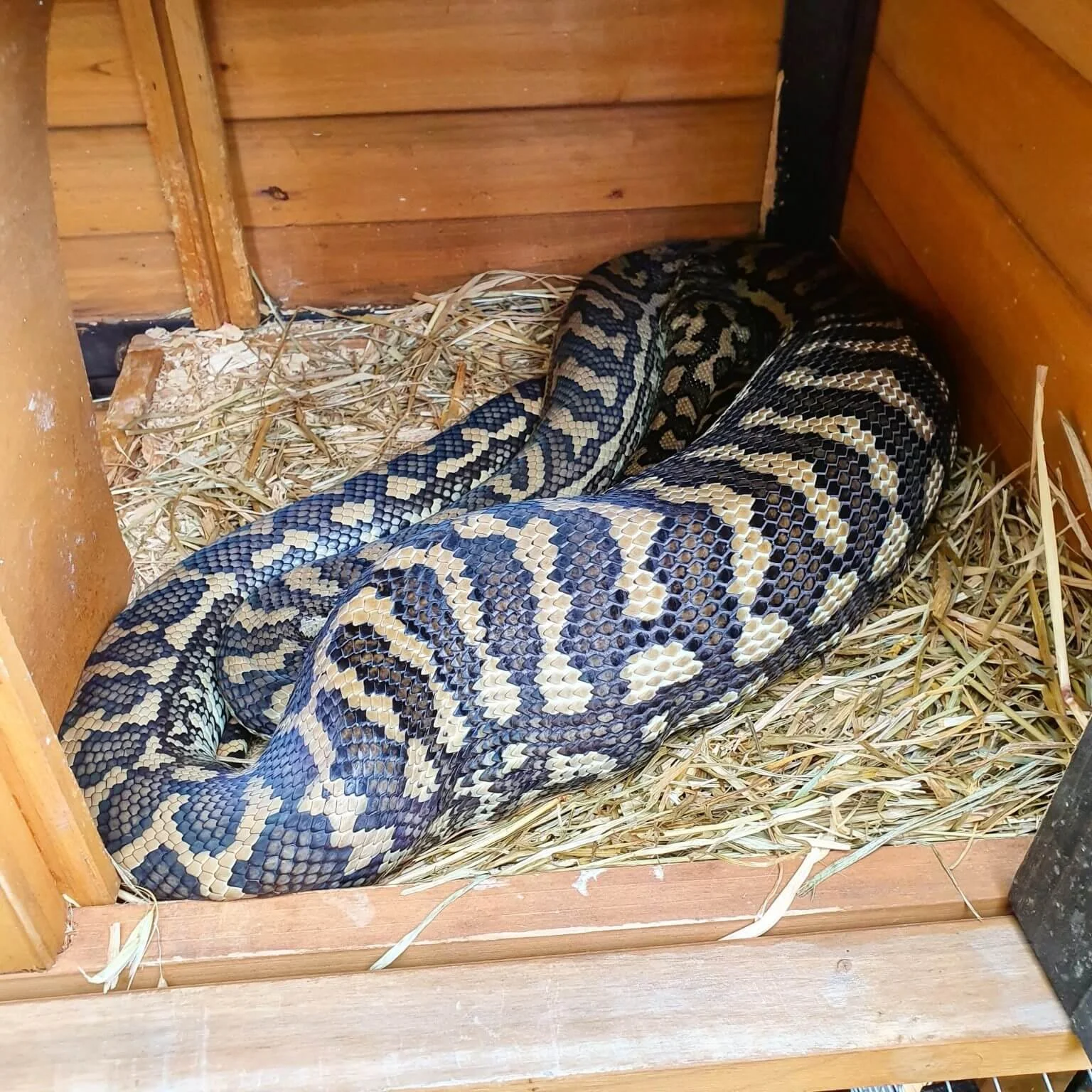
Coastal Carpet Pythons are a thick-set species with highly variable colours and patterns. Most individuals display a mottled or blotched mix of olive, brown, tan, grey, and black across the body, with a pale cream or white belly underneath. Their patterning can vary a lot from one animal to the next, but they usually have a broad head, strong muscular build, and the classic carpet python look.
They are one of the Sunshine Coast’s most recognisable snakes and are well known for their ability to thrive in a huge range of habitats, from dense rainforest and wet bushland through to dry woodland and heavily built-up suburban areas.
Habitat
Where can you find a Coastal Carpet Python?
This species occupies an enormous range of habitats and is just as comfortable in natural bushland as it is around homes and urban areas. On the Sunshine Coast, they are commonly found in:
roof cavities
sheds and garages
backyards and gardens
retaining walls and timber piles
aviaries, chook pens, and pet enclosures
trees and dense vegetation
They are often drawn to properties because of food availability. If rodents, possums, birds, or other prey are present, a carpet python may not be far away. Roof spaces in particular are a common hiding place, especially where rats or mice are active.
Venom
Is the Coastal Carpet Python dangerous?
The Coastal Carpet Python is not venomous and is not considered a dangerous snake in the same way as the Sunshine Coast’s medically significant venomous species. However, that does not mean it is harmless.
Carpet pythons have a mouth full of sharp, recurved teeth designed to grip prey. If bitten, a person can receive deep punctures and substantial lacerations. Large individuals are also extremely strong and should never be handled by unlicensed or inexperienced people.
While this species poses little threat to humans when left alone, it should still be treated with caution and respect at all times.
Diet
What does the Coastal Carpet Python eat?
Coastal Carpet Pythons are ambush predators and feed on a wide variety of animals, including:
rats and mice
birds
possums
bats
reptiles
poultry
guinea pigs and other small pets
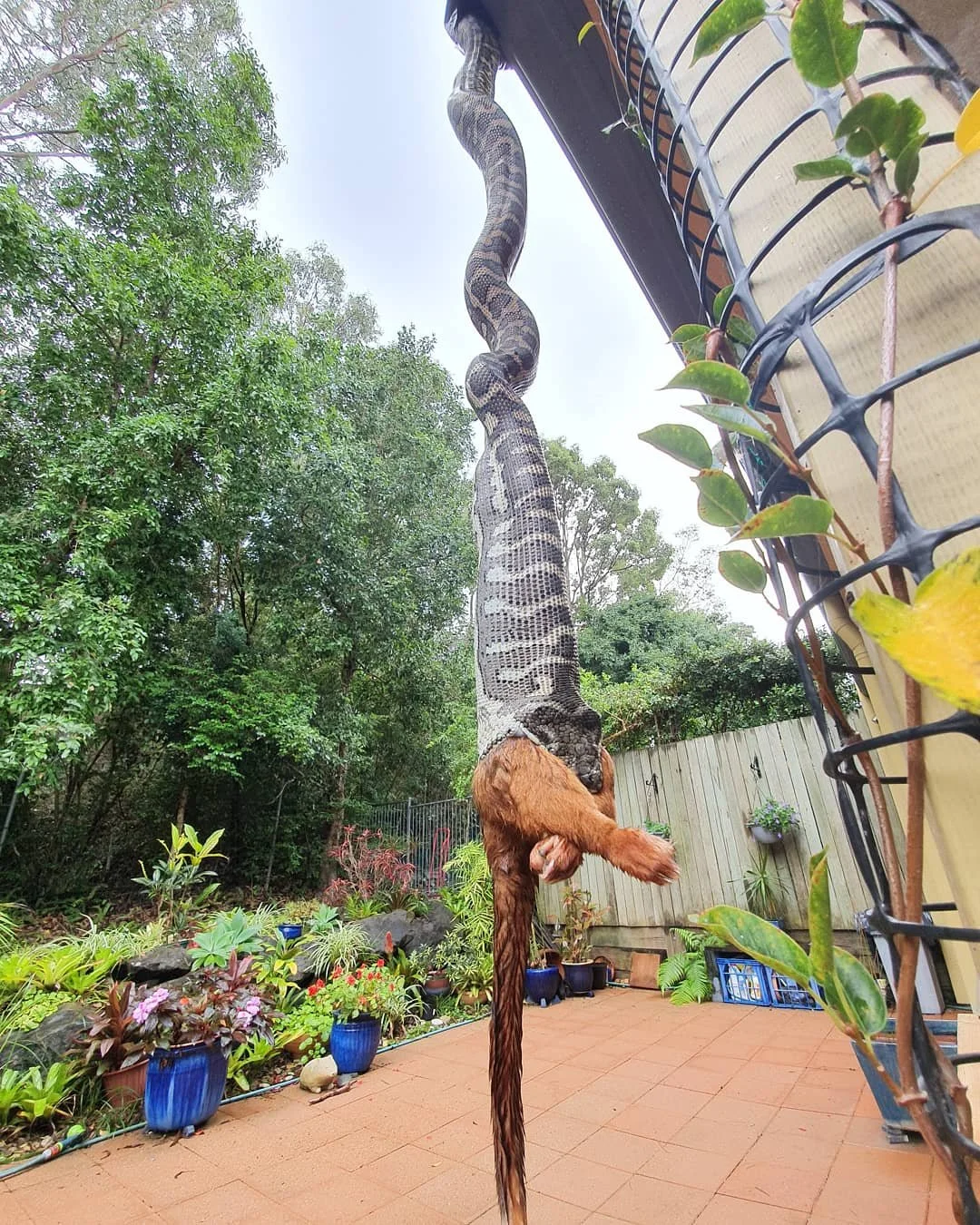
They are especially well known for targeting bird cages, chook pens, and guinea pig enclosures in search of an easy meal. In some cases, a python may enter an enclosure, eat the animal inside, and then be unable to get back out. Larger specimens are also capable of taking small cats and dogs.
For that reason, it is important to check pet enclosures carefully and make sure they are properly snake-proofed, with no gaps or weak points a python can exploit.
Behaviour
What should you know about this species?
Coastal Carpet Pythons are excellent climbers and can move through trees, fences, roofs, and wall cavities with ease. They are active during both the day and night, though many encounters happen after dark or in the early morning.
This species is generally not ‘aggressive’, but if cornered, provoked, or handled, it may bite defensively. Like other pythons, it relies on constriction rather than venom to subdue prey.
Because they are so adaptable, they are one of the most common snakes seen around homes on the Sunshine Coast.
What to do if you see a Coastal Carpet Python
If you come across a Coastal Carpet Python, the safest thing to do is keep your distance and do not attempt to handle, trap, or relocate it yourself.
Keep children and pets well away, monitor the snake from a safe distance if possible, and contact a licensed snake catcher for identification and removal if needed.
Remember, snakes should only be handled or relocated by people with the appropriate licence or permit to do so.
How do you identify a Coastal Carpet Python?
Look for a large, heavy-bodied python with blotched or mottled patterning in shades of brown, olive, tan, grey, or black. The belly is usually cream or white, and the head is broad and distinct from the neck.
Are Coastal Carpet Pythons venomous?
No. Coastal Carpet Pythons are non-venomous snakes.
Are Coastal Carpet Pythons dangerous to humans?
They are not considered dangerous in the same way as venomous snakes, but they can still inflict painful bites with sharp teeth and should not be handled by unlicensed people.
Can Coastal Carpet Pythons climb?
Yes. They are excellent climbers and are often found in trees, roofs, rafters, aviaries, and other elevated areas.
Do Coastal Carpet Pythons eat pets?
They can. Birds, poultry, guinea pigs, and other small animals may be taken if their enclosures are not secure. Large pythons may also prey on small cats or dogs.
Why are they often found in roofs?
Roof spaces often contain rats, mice, warmth, and shelter, making them an ideal hunting and hiding location for carpet pythons.
What should I do if one gets into a house?
Do not try to remove it yourself. Keep clear and call a licensed snake catcher as soon as possible.