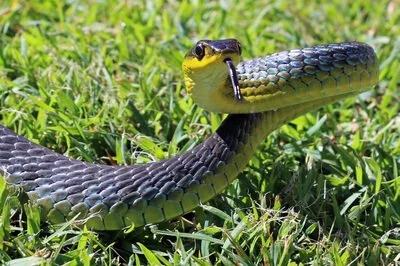
Green Tree Snake (Dendrelaphis Punctulatus)
Identifying the Green Tree Snake
The Green Tree Snake, also known as the Common Tree Snake, is one of the most commonly encountered non-venomous snakes on the Sunshine Coast. These slender, fast-moving snakes are often seen in gardens, trees, shrubs, and around homes, particularly in areas where frogs and small reptiles are abundant.
Although harmless to humans, Green Tree Snakes can bite if threatened. However, they are generally shy animals and will usually attempt to escape quickly when approached.
About the Green Tree Snake
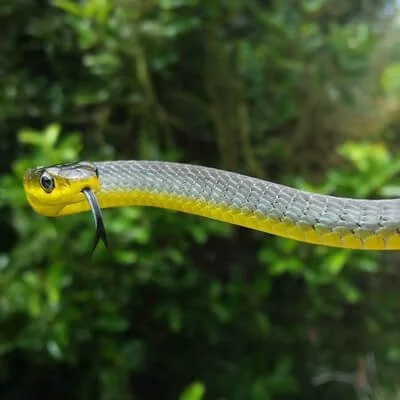
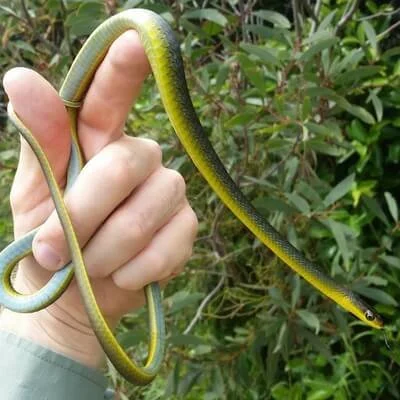
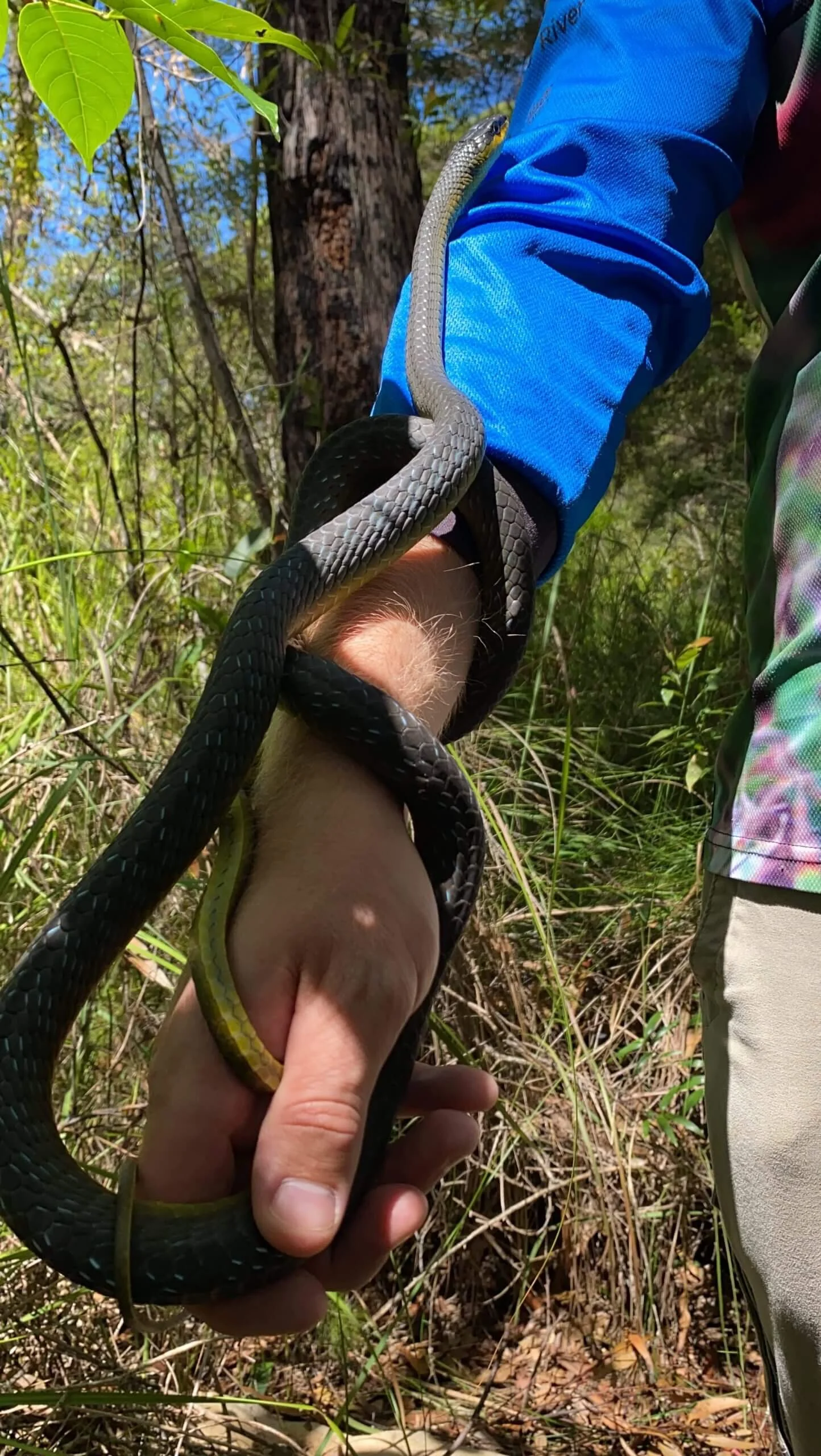
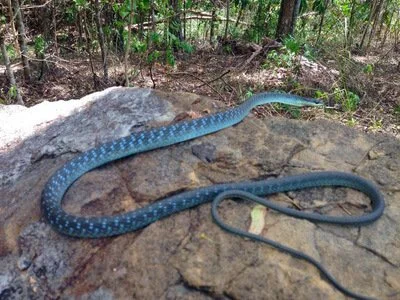
Green Tree Snakes are a long, slender species that typically grow between 1 and 2 metres in length. Their colouring can vary significantly depending on the individual and location.
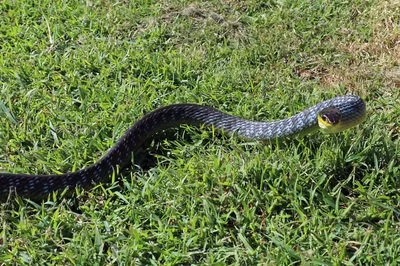
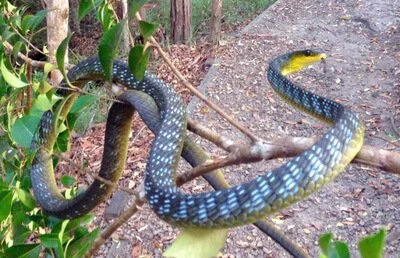
Most are bright green, olive-green, or blue-green along the body, although some individuals may appear darker or even black. A distinctive feature of this species is the blue colouring visible between the scales, which often appears when the snake inflates its body as a defensive display.
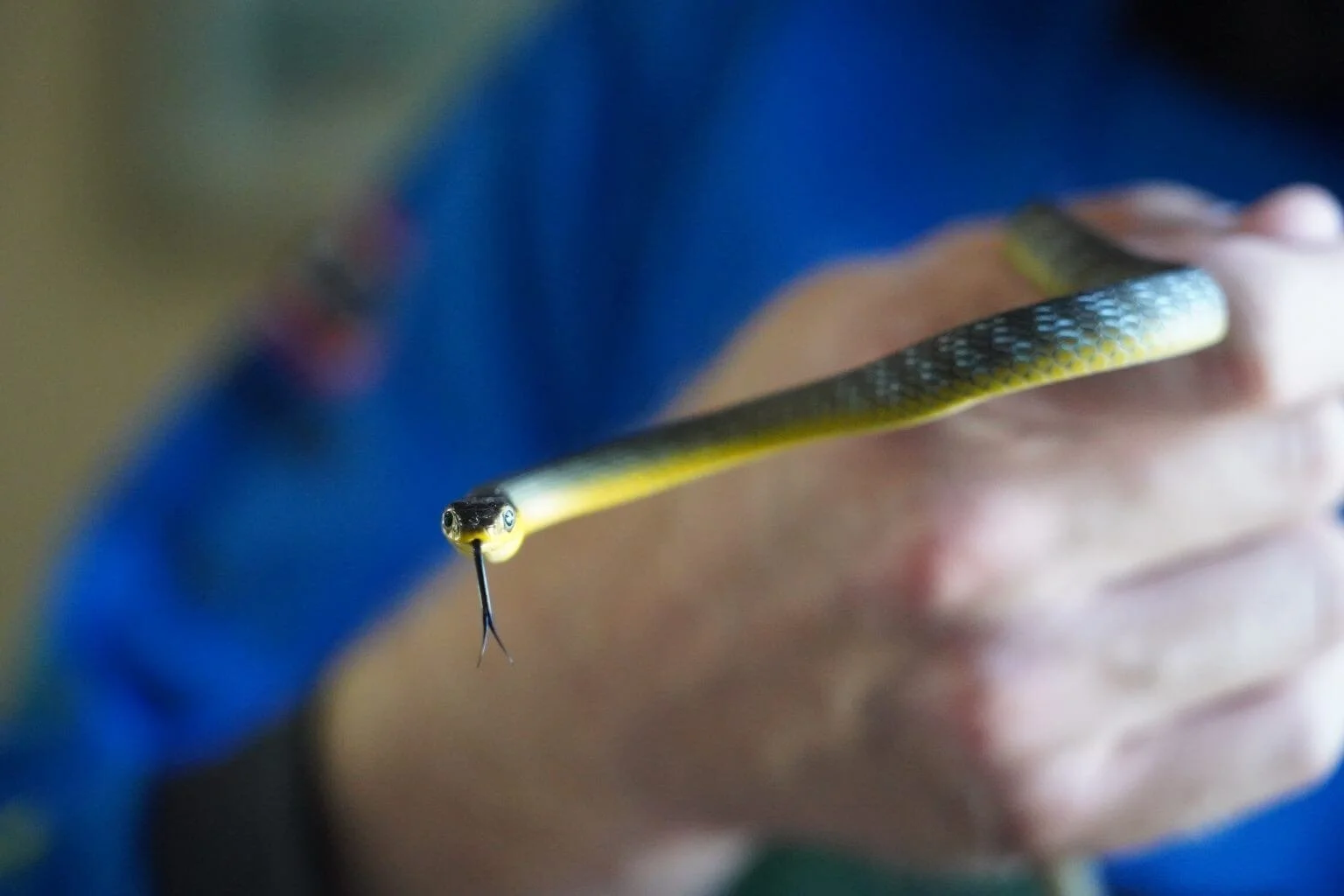
The underside of the snake is usually yellow, cream, or pale blue, which contrasts with the darker colour of the back.
They have large eyes and a narrow head, giving them excellent vision for hunting during the day.
Habitat
Where can you find a Green Tree Snake?
Green Tree Snakes occur across much of eastern and northern Australia, including large parts of Queensland.
They occupy a wide variety of habitats, including:
open forests
rainforests
farmland and agricultural areas
wetlands and riverbanks
suburban gardens and parks
Because their diet includes frogs and small reptiles, they are often found near water sources such as ponds, creeks, and fountains.
Their slender bodies allow them to move easily through trees, shrubs, long grass, and fences, which is why they are often spotted in backyard vegetation.
Venom
Is the Green Tree Snake dangerous?
The Green Tree Snake is not venomous and is generally harmless to humans.
If threatened, these snakes may attempt to defend themselves by inflating their body and neck, exposing the blue colouring between their scales to appear larger and more intimidating.
They may also release a strong-smelling musk from their anal glands as a deterrent. In rare situations where the snake feels cornered or is handled incorrectly, it may bite.
While the bite is not dangerous, it can still cause minor puncture wounds.
Diet
What does the Green Tree Snake eat?
Green Tree Snakes are carnivorous and feed on a variety of small animals, including:
frogs
tadpoles
geckos
skinks
small reptiles
reptile eggs
They are active daytime hunters and rely on their excellent vision and speed to catch prey.
Because frogs make up a large portion of their diet, they are often seen around wet environments and garden ponds.
Behaviour
What should you know about this species?
Green Tree Snakes are diurnal, meaning they are most active during the day.
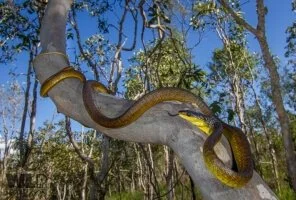
They are excellent climbers and spend much of their time moving through trees, bushes, and elevated vegetation, which is where they get their name.
When resting at night, they may shelter in:
hollow logs
tree branches
dense foliage
rock crevices
If threatened, they may flatten or inflate their body to appear larger before quickly escaping.
What to do if you see a Green Tree Snake
If you encounter a Green Tree Snake in your garden or home, the best approach is to leave it alone and allow it to move away on its own.
These snakes are generally harmless and are beneficial to have around as they help control frogs and small reptiles.
But if pets are around sometimes Relocation might be the best option.
If the snake has entered a building or cannot leave the area safely, contact a licensed snake catcher to assist with identification and relocation.
Remember that snakes should only be handled by people with the appropriate training and permits.
How do you identify a green tree snake?
Green Tree Snakes are slender snakes with large eyes and a narrow head. They are usually bright green or olive in colour with a yellow or cream belly. Blue colouring is often visible between their scales.
How big do green tree snakes get?
Most adults grow between 1 and 2 metres in length, although they remain very slender compared to many other snake species.
Are green tree snakes venomous?
Green Tree Snakes are non venomous.
Are green tree snakes dangerous?
They are not considered dangerous to humans. However, like any wild animal, they may bite if threatened.
Do green tree snakes live in trees?
Yes. They are considered arboreal, meaning they spend much of their time in trees and shrubs.
Are green tree snakes dangerous to pets?
They are non venomous and generally pose little risk to pets, though bites can still occur if animals attempt to attack or handle the snake.