Marsh Snake (Hemiaspis signata)
Also known as the Swamp Snake or Black-Bellied Swamp Snake
Identifying the Marsh Snake
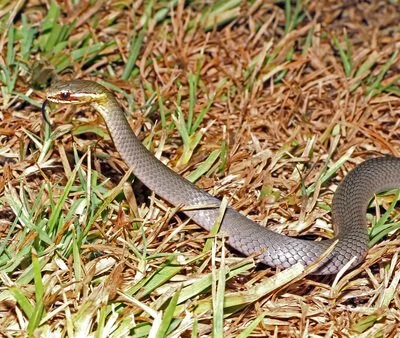
The Marsh Snake is a small, mildly venomous snake commonly found in south-east Queensland, including parts of the Sunshine Coast. Because of its dark colouring, it is sometimes confused with other snakes in the elapid family such as the Eastern Small-Eyed Snake or Red-Bellied Black Snake.
Marsh snakes are generally shy and secretive. They spend most of their time hidden in dense vegetation near water and are rarely seen out in the open. When encountered, they will usually attempt to flee rather than defend themselves.
About the Marsh Snake
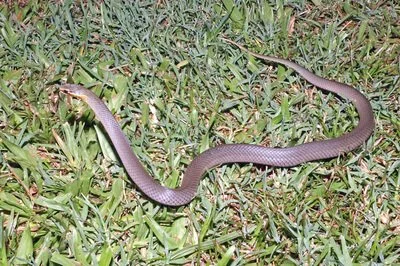
The Marsh Snake is a small and slender species, usually reaching between 50–80 cm in length, although many adults remain smaller.
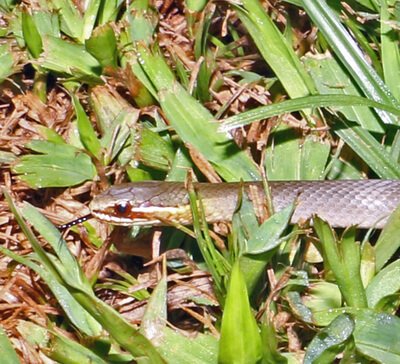
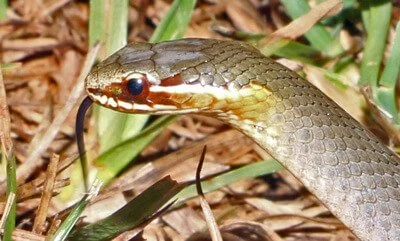
Their body is typically dark brown, olive, or black, with a smooth, glossy appearance. One of the most distinctive features of this species is the pair of narrow pale yellow or cream stripes running along each side of the head.
Their underside is usually dark grey to black, which is why they are sometimes referred to as the black-bellied swamp snake.
Unlike many other snake species, the Marsh Snake has very little distinction between the head and body, giving it a smooth, streamlined appearance.
Juveniles may appear darker than adults, often with more noticeable head markings.
Habitat
Where can you find a Marsh Snake?
As their name suggests, Marsh Snakes prefer wet and heavily vegetated environments. They are most commonly found in:
wetlands and marshlands
creek banks
swamps and drainage areas
dense grass and vegetation
areas with thick leaf litter
Because they rely on moist environments and amphibian prey, they tend to stay close to water sources.
Occasionally, Marsh Snakes may wander into gardens, pools, patios, or garages, particularly after heavy rainfall. However, encounters with this species in homes are relatively uncommon.
Venom
Is the Marsh Snake dangerous?
The Marsh Snake is considered mildly venomous.
Their venom is capable of causing symptoms such as:
local pain and swelling
nausea
headaches
muscle soreness
Although bites are rarely life-threatening, medical attention should always be sought if a bite occurs.
Fortunately, Marsh Snakes are generally non-aggressive and prefer to escape rather than confront potential threats.
Diet
What does the Marsh Snake eat?
Because they live in moist environments, Marsh Snakes mainly feed on animals associated with wet habitats.
Their diet commonly includes:
frogs
tadpoles
small lizards
skinks
They are typically diurnal or crepuscular, meaning they are active during the day and around dusk. However, they may also become active at night during warmer weather.
Behaviour
What should you know about this species?
Marsh Snakes are secretive and rarely seen, as they spend most of their time hiding in vegetation, leaf litter, or under debris.
They are excellent hunters of frogs and small reptiles and tend to stay close to wet habitats where prey is abundant.
When disturbed, they will usually attempt to escape quickly into nearby vegetation or water rather than defend themselves.
Because they are small and dark coloured, they can sometimes be mistaken for other venomous species.
What to do if you see a Marsh Snake
If you encounter a Marsh Snake, the safest option is to keep your distance and allow the snake to move away on its own.
Ensure pets and children remain well away from the animal. If the snake remains on your property or enters a building, contact a licensed snake catcher to safely relocate it.
Snakes should only ever be handled by people with the appropriate permits and experience.
How do you identify a marsh snake?
Marsh Snakes are small, dark brown or black snakes with smooth scales and distinct pale yellow stripes running along each side of the head.
Are marsh snakes venomous?
Yes. Marsh Snakes are considered mildly venomous, although their bites are rarely dangerous to humans.
Are marsh snakes aggressive?
No. They are generally shy and will usually attempt to escape when encountered.
How big do marsh snakes get?
Most adults grow between 50–80 cm in length, making them a relatively small snake species.
Where are marsh snakes usually found?
They are commonly found near wetlands, creeks, marshes, and other moist environments, particularly in south-east Queensland.
Should I seek medical help if bitten by a marsh snake?
Yes. Even though their venom is usually mild, medical attention should always be sought after any snake bite.