Keelback Snake (Tropidonophis mairii)
Identifying the Keelback Snake
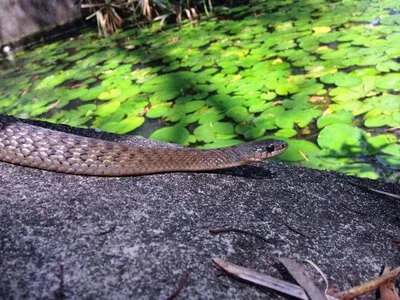
The Keelback Snake is a common non-venomous species found throughout Queensland and is frequently encountered around water sources on the Sunshine Coast. These snakes are often mistaken for more dangerous species, particularly the rough-scaled snake, and Eastern-brown snake, due to their similar appearance.
Keelbacks are relatively harmless to humans and play an important role in controlling amphibians and other small animals in wet environments. They are most active at night or during cooler, overcast days and may occasionally be seen moving through gardens or properties near creeks, ponds, or drainage areas.
About the Keelback Snake
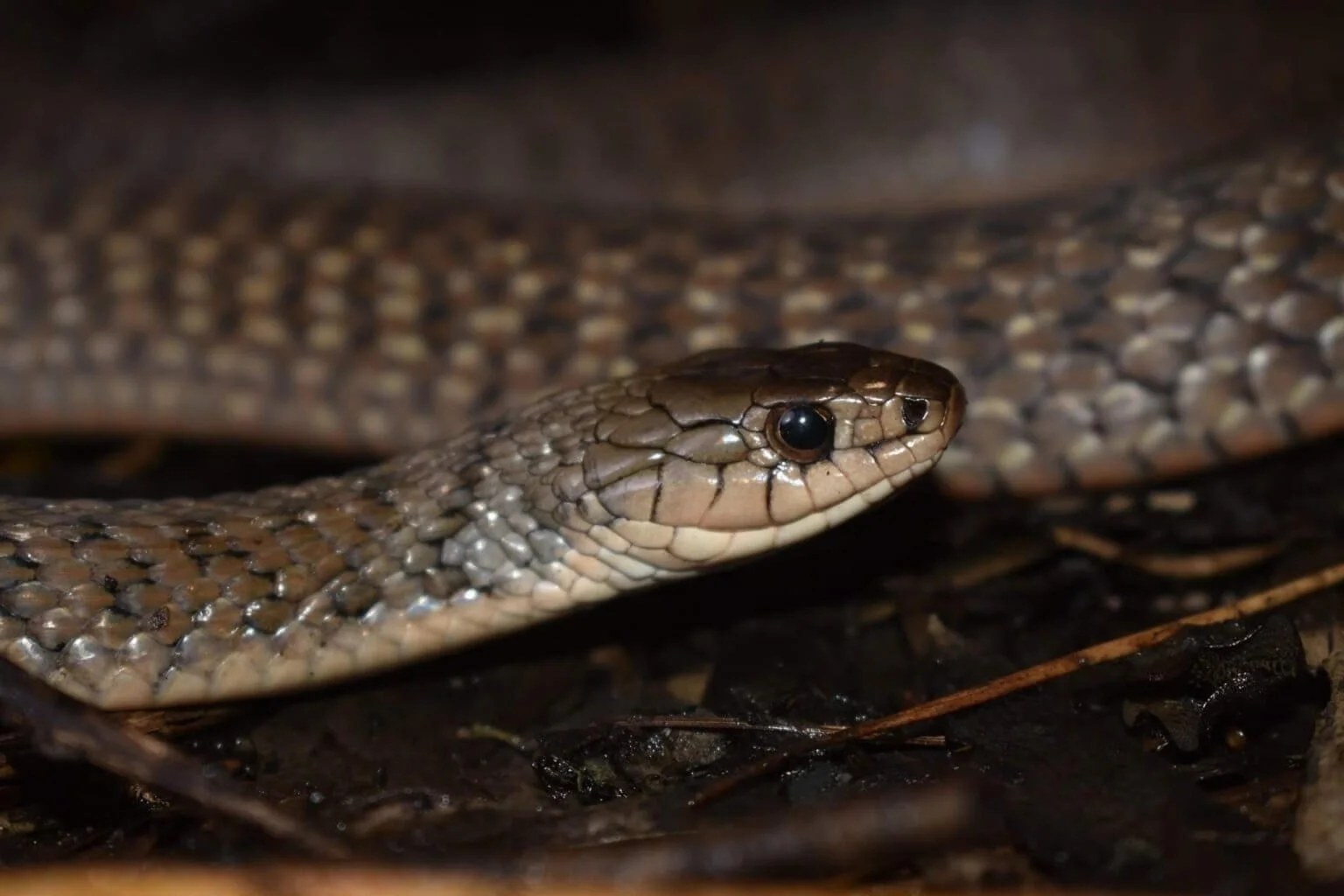
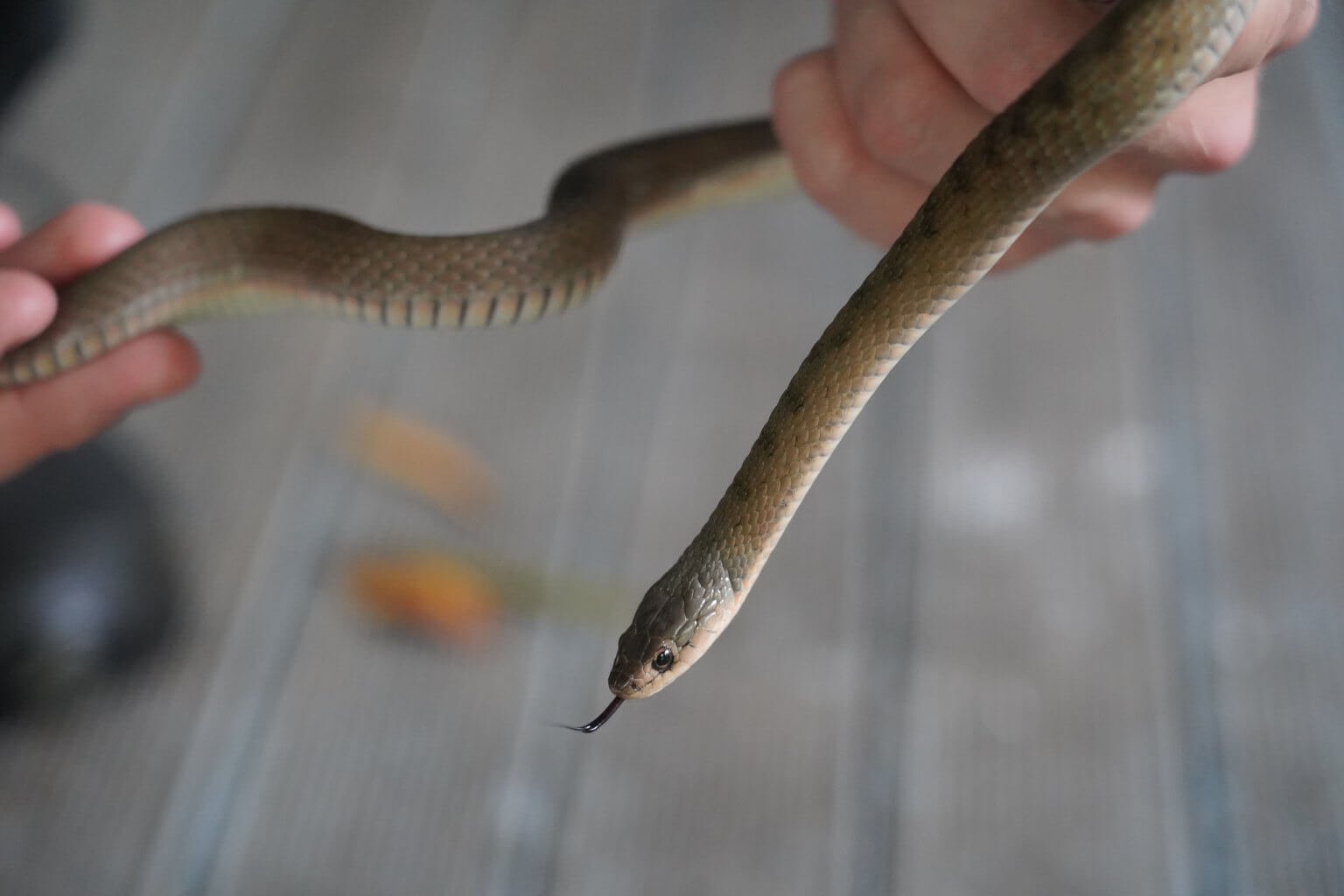
The Keelback gets its name from the raised ridge, or “keel,” running along each scale, giving the snake a rough texture compared to the smooth scales of many other species.
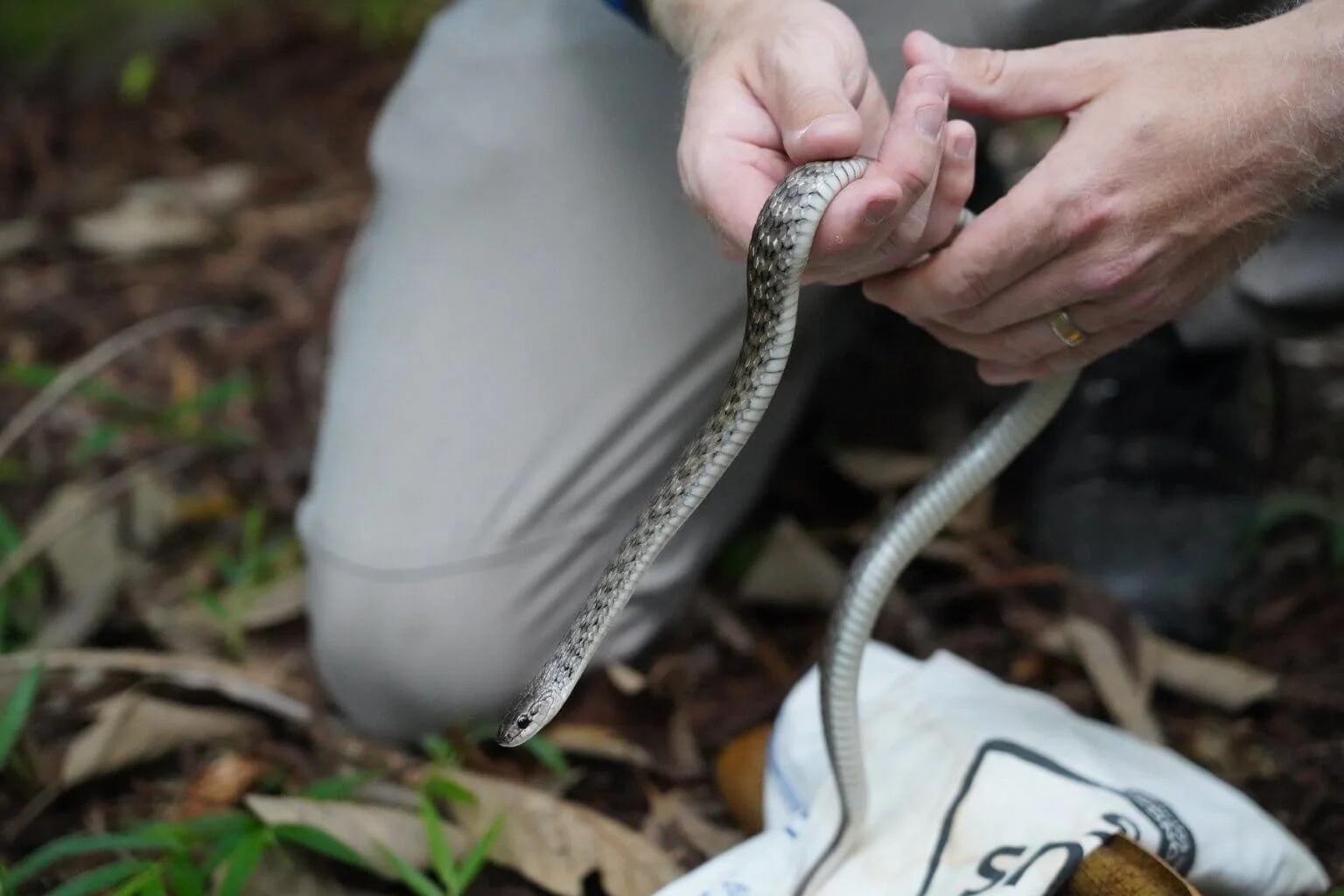
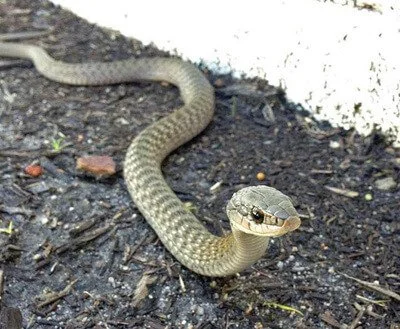
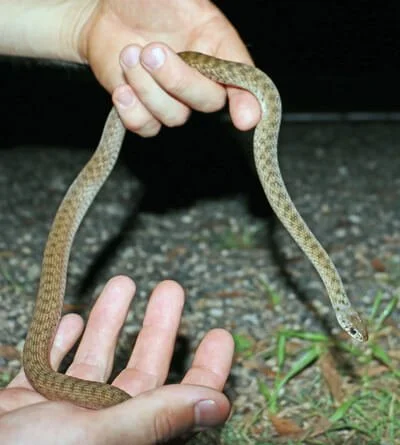
These snakes are usually olive, grey, or brown in colour with irregular darker bands across the back. Their belly is typically cream, pale yellow, or salmon-pink, sometimes with an orange tint.
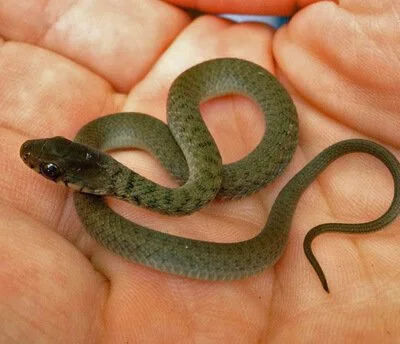
Keelbacks are relatively small snakes, typically growing between 60 and 75 centimetres in length, although some individuals can reach close to one metre.
They are commonly confused with venomous species such as the rough-scaled snake, but the keelback is completely harmless to humans.
Habitat
Where can you find a Keelback Snake?
Keelbacks are semi-aquatic snakes that prefer environments close to water. Typical habitats include:
creeks and riverbanks
wetlands and swamps
dams and ponds
rainforest and moist forest edges
drainage lines and suburban waterways
On the Sunshine Coast, they may also appear in gardens, parks, and suburban areas, particularly where frogs and other amphibians are common.
They are frequently found hiding under logs, leaf litter, rocks, wood piles, or other damp shelter areas.
Venom
Is the Keelback Snake dangerous?
The Keelback Snake is not venomous and poses little danger to humans.
When threatened, these snakes usually attempt to flee rather than defend themselves. However, like most wild animals, they may still bite if they are handled or cornered.
As a defensive mechanism, keelbacks can also release a strong-smelling musk from their anal glands, which is used to deter predators.
Although harmless, wild snakes should always be treated with caution and should never be handled by untrained individuals.
Diet
What does the Keelback Snake eat?
Keelbacks primarily feed on animals associated with wet environments. Their diet commonly includes:
frogs
tadpoles
small fish
small lizards
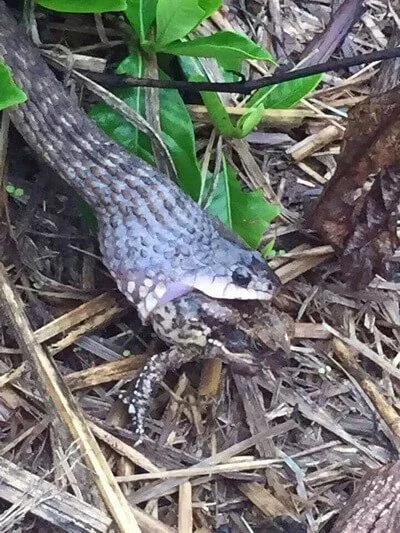
One particularly interesting trait of the keelback is its ability to eat cane toads without being poisoned.
Cane toads produce powerful toxins that kill many predators, but keelbacks have a natural resistance to these toxins and are able to consume them safely. This makes them one of the few native predators capable of helping control cane toad populations.
Behaviour
What should you know about this species?
Keelbacks are generally shy and non-aggressive snakes that prefer to escape rather than confront a threat.
They are most active at night or during cloudy weather and often spend the day sheltering in damp hiding spots close to water.
Because of their habitat preferences, they are commonly seen around frog-rich environments, including suburban ponds and drainage areas.
Although they are harmless, they are sometimes misidentified as venomous snakes, which leads to unnecessary concern when they appear in residential areas.
What to do if you see a Keelback Snake
If you encounter a keelback snake on your property, the best option is to leave the snake alone and keep a safe distance.
Most keelbacks will move on quickly once they realise people are nearby. If the snake remains in the area or enters a building, a licensed snake catcher can safely relocate it.
As with all wildlife, snakes should only be handled or relocated by people with the appropriate permits and training.
How do you identify a keelback snake?
Keelbacks are usually olive, brown, or grey with darker cross-bands along the body. Their scales have a distinctive ridge or “keel,” giving them a rough texture. They also have relatively large eyes with round pupils.
Are keelback snakes venomous?
No. Keelbacks are non-venomous snakes and are harmless to humans.
Are keelback snakes aggressive?
No. They are generally shy snakes that will attempt to escape rather than confront a threat.
Do keelback snakes bite?
They may bite if they are handled or feel threatened, but the bite is harmless aside from minor puncture wounds.
Where are keelback snakes usually found?
Keelbacks are commonly found near water such as creeks, ponds, wetlands, and drainage areas where frogs and other prey are abundant.
Can keelback snakes eat cane toads?
Yes. Keelbacks are one of the few native predators capable of eating cane toads because they have a resistance to the toad’s toxins.